By, Mutugi Jeff, Maina Antony, Kago Sam, Omoro James and Chepchumba Gabriella,
Kenyatta University
April 21, 2022
According to Brian Kithinji (2020), from the Mansa media society, statistics show that the level of obesity in Kenya is approaching 50% of the population as at 2018, with the most affected group being women between the ages of 19-49 years. This is a cause of concern to the community at large as food security becomes a menace to most Kenyan households.
Physical fitness is a package. It comes with proper nutrition, moderate to vigorous physical exercise and sufficient rest. It goes beyond being able to run quickly or lift heavy weights. Despite being important, these attributes only address single areas of fitness. Unfortunately, many people think they are fit if they are able to run for a couple of miles and lift a couple of pounds. Others are satisfied with jacked, lean bodies, only thinking the overweight people should be the ones to adjust. This could not be farther from the truth will be seen in this article.
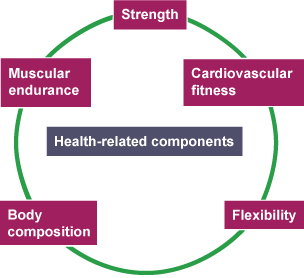
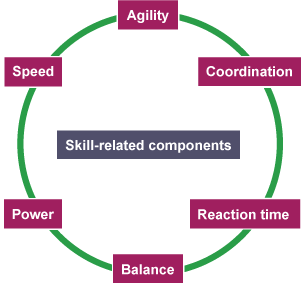
Physical fitness has two major components. These include health related components, i.e,muscular strength, muscular endurance, cardiovascular endurance, flexibility and body fat composition. As well as skill related components such as ; agility, balance, coordination, power, reaction time and speed.
Heath related components of physical fitness include:
1. Muscular Strength
This is the “power” that helps you to lift and carry heavy objects. Without muscular strength, your body would be weak and unable to keep up with the demands placed upon it.
The way to increase strength is to train with heavy weights, working in the 4 – 6 or 12 – 15 rep ranges. The heavier the weight, the fewer reps you should perform!
2. Muscular Endurance
Endurance is the ability of your muscles to perform contractions for extended periods of time. Rather than just lifting or carrying something for a few seconds, the muscles are used for minutes.
The way to increase strength is to train with light weights, working in the 20 – 25 rep range. Working with lighter weight will train the muscle fibers needed for muscular endurance, and the higher rep range leads to a longer period of exercise.
3. Cardiovascular Endurance
Cardiovascular endurance is your body’s ability to keep up with exercise like running, jogging, swimming, cycling, and anything that forces your cardiovascular system (lungs, heart, blood vessels) to work for extended periods of time. Together, the heart and lungs fuel your body with the oxygen needed by your muscles, ensuring that they have the oxygen needed for the work they are doing.
The Cooper Run (running as far as possible in 12 minutes) is a test commonly used to assess cardiovascular endurance, but many trainers use the Step Test (stepping onto a platform for 5 minutes). Both are accurate measures of a subject’s cardiovascular endurance.
4. Flexibility
Flexibility is one of the most important, yet often overlooked, components of physical fitness. Without flexibility, the muscles and joints would grow stiff and movement would be limited. Flexibility training ensures that your body can move through its entire range of motion without pain or stiffness.
To test your flexibility, lean forward and try to touch your toes. Those with good flexibility will usually be able to touch their toes, while those with limited flexibility will not. The sit and reach test (sitting on the floor and reaching toward your toes) is another good way to assess your flexibility. The more flexible you are, the closer you will come to touching your toes and beyond.
5. Body Fat Composition
Body fat composition refers to the amount of fat on your body. For example, a 100-pound person with a 25% body fat composition will have a lean body mass of 75 pounds.
To qualify as fit:
- Men must have a body fat composition lower than 17 percent
- Women must have a body fat composition lower than 24 percent
The average man tends to have about 18 to 24 percent body fat, while the average woman has 25 to 31 percent body fat.
Any program that neglects one or more of these types of fitness is NOT going to benefit your body in the long run. An effective fitness program will attempt to improve all five components of fitness. Skill related components of physical fitness include:
1. Agility
This is the ability to change the position of the body quickly and control body movement.
2. Balance
This is the ability to maintain the body’s centre of mass above the base of support.
3. Coordination
This is the ability to use two or more body parts together.
4. Power
This is the ability to perform strength performances quickly.
5. Reaction time
This is the time taken to respond to a stimulus.
6. Speed
This is the ability to put body parts into motion very quickly
Now that we know the components of physical fitness, it is only befitting that we look into how we can achieve these physical fitness goals. Ways we can look after our physical fitness for healthy living include taking care of diet and nutrition, physical exercise and rest.
1. Physical exercise
Types of physical fitness exercises you should incorporate include:
a)Aerobic – This is the use of oxygen to meet energy demands during exercises via aerobic metabolism.They include activities like swimming and cycling. They improve cardiovascular endurance and balance out body fat composition.
b)Flexibility – This is a range of motions of your joints freely. Include the lifting of weights,climbing of stairs, hill walking and yoga.
c)Balance training – This involves standing with one leg and raising the other leg,standing up and sitting down without the use of hands. This improves body balance.
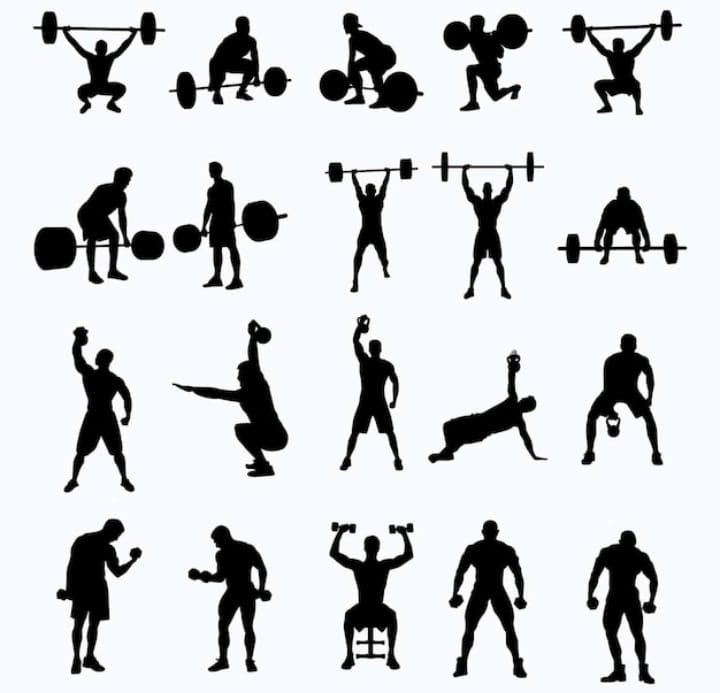
d)Strength building – Mostly involves the repeated overloading of a group of muscles typically by lifting and lowering of heavy weight that include knee dominant,pulling movements and pushing movements.
e)Endurance – This mostly involves the activities that increases breathing and the heart rate like jogging and jumping of the ropes.
For 3-4 days a week, you should perform physical exercises with a blend of the five types of exercises cited above. You should also focus on the quality over the quantity. Incase of prevailing medical conditions qualified personnel and trainers should be consulted.
2. Nutrition
All these exercises would be in vain if the right diet is not maintained. Nutrition is just about important if not more than exercising. The food we take contributes about 80% of our health. A proper nutrition keeps you healthy and improves the brains functioning. Eating a balanced diet includes eating the right amount of calories and nutrients to maintain a healthy weight. It should include lots of fresh fruits, vegetables, lean proteins, whole grains and healthy fats. Good nutrition will allow the body to have a higher physical output. One should also develop a healthy eating pattern which involves eating the appropriate food at the right time in the right amount. A diet should have a lower amount of carbs to prevent insulin resistance which brings about metabolism of glucose and storage of extra as fat. Water is needed by the body for proper functioning. Drinking enough water is usually important for health since it prevents dehydration, helps the body in maintaining a normal temperature, lubricating and cushioning joints, protecting the spinal cord and aids in the removal of wastes products through urination. Water also plays an important role in improving our moods. ways to drink more water include ; carrying a water bottle and refiling throughout the day , serving water during meals and choosing water over sugary drinks. One can also opt for healthier drinks options such as plain coffee and teas, sparkling water, seltzers and flavored water.

3. Rest
A good night’s sleep is very important on regular. It allows your body to recover from the previous day. Getting enough rest after a workout strengthens your muscles and tissues, which in turn helps one to avoid fatigue and exercise-related injuries. On the other hand, poor sleep and inadequate relaxation leads to lower physical activity. Enough sleep raises the amount of growth hormone in the body which facilitates cell regeneration and optimal cell functioning. It also reduces cortisol, a stress inducing hormone enabling stress relieaval. A minimum of 7 hours of sleep is recommended for enough rest. 3 – 4 days a week are also enough for working out.
Finally, the importances of physical fitness go beyond looking good in front of the mirror and include much more. The following are the rewards we reap from engaging in a lifestyle of physical fitness.
1. Enabling an individual to manage weight better, these physical exercises help in the burning of calories that have greatly contributed to the acquisition of extra weight in the body.
2. Reducing the risk for cardiovascular diseases by lowering blood cholesterol levels as well as making the blood vessels and arteries flexible thus lowering the risk for diseases, like hypertension.
3. Physical exercises also lowers the risk for chronic ailments like Diabetes 2 and Cancer which helps reduce the chances for chronic inflammation that causes DNA damage which result in Cancer.Moderate exercises also make the heart to beat a little faster thus making the muscles to use more glucose which is the sugar in the blood stream reducing the chances for diabetics 2.
4. Physical exercises also helps one develop stronger bones, muscles and joints which reduces the chances for osteoporosis a condition that causes the Bones to be weak and can break easily.
5. Physical exercises yields to a better feeling, more energy,a better mood and a better sleeping pattern this occurs because aerobic exercises causes the body to secrete endorphins that bring about that feeling of relaxation which in turns ensures quality sleep.
Following these guidelines might prove to be a difficult task especially for beginners. However, by setting clear short and long term goals of physical fitness and feeling positive by achieving them time by time physical fitness will be a part of our daily lives

 GET FIT